
Global freight transport produces billions of tons of carbon emissions every year, driven by trucks, ships, planes, and warehouses moving physical products from one place to another. Every box, label, and delivery route adds to that footprint. As online shopping grows, so does the hidden environmental cost behind each package that arrives at a doorstep.
Digital goods follow a very different path. Platforms like YesGamers show how value can move without trucks, shelves, or bubble wrap. When players buy D2r items, the transaction happens through servers and accounts, not factories or freight hubs. No materials are molded, no fuel is burned for delivery, and nothing ends up in a trash bin once the exchange is complete.
Physical Commerce Leaves a Long Trail
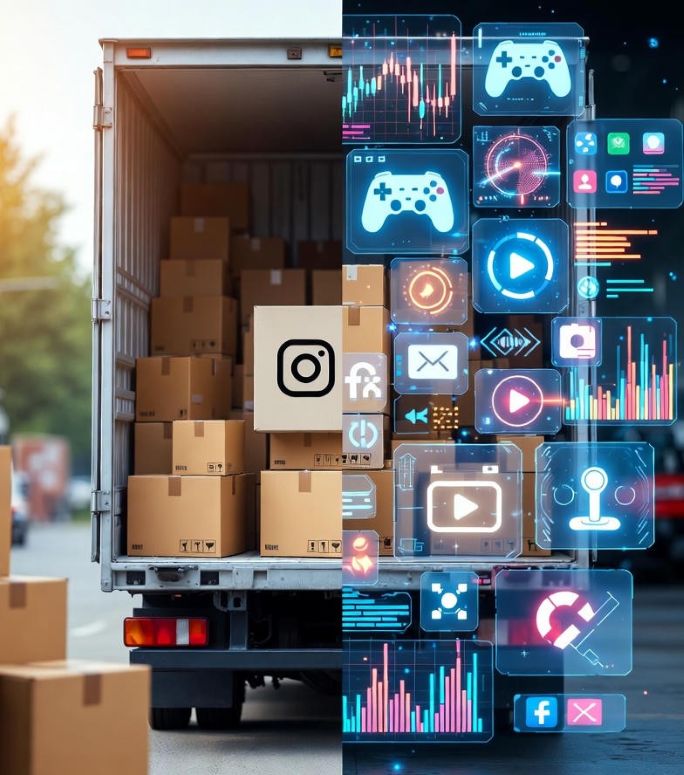
Traditional commerce depends on layers of physical effort. Raw materials are extracted. Products are manufactured, packaged, and stored. They travel across regions, sometimes across oceans, before reaching a buyer. Each step consumes energy and produces waste. Even efficient logistics systems rely on fuel, space, and constant movement.
Packaging alone has become a visible problem. Cardboard, plastic fillers, and tape protect items for a short trip, then get thrown away. Recycling helps, but it does not erase the energy used to create those materials in the first place. Multiply that process by millions of daily shipments, and the environmental impact becomes hard to ignore.
Digital Goods Skip the Heavy Steps
Virtual items remove most of that chain. There is no manufacturing line and no storage room filled with shelves. The “product” already exists as data. Once created, it can be transferred repeatedly without being rebuilt or repackaged. The environmental cost does not scale the same way physical goods do.
This is where digital marketplaces quietly stand out. A single platform can support buyers and sellers across continents without adding delivery trucks to the road. When players trade game items, they rely on electricity and data centers, but they avoid the emissions tied to transport, storage, and disposal.
YesGamers as a Practical Example
YesGamers operates like a global storefront without a physical back room. Sellers list virtual items. Buyers complete transactions. Delivery happens instantly through digital systems. There is no inventory sitting idle and no risk of unsold goods ending up as waste.
From an environmental point of view, this model reduces friction. Fewer steps mean fewer chances for energy loss. Even when players return months later to buy D2r items again, the process does not restart a production cycle. The same digital infrastructure supports repeated exchanges with minimal extra cost.
Energy Use Still Matters
Digital goods are not completely free of environmental impact. Servers consume power. Data centers need cooling. Networks must stay online. These factors deserve attention, especially as digital economies grow.
Still, the scale is different. One server cluster can support thousands of transactions at once. Compare that to thousands of trucks making individual deliveries. As more data centers shift toward renewable energy, the gap between digital and physical commerce may widen further.
A Quieter Environmental Advantage
Digital marketplaces rarely appear in climate discussions because their benefits are subtle. There are no dramatic images of pollution avoided. The advantage shows up in what does not happen. No shipping routes are planned. No packaging lines run overnight. No returns pile up in warehouses.
This quieter impact matters. Small reductions repeated at scale can lead to meaningful change. When millions of transactions move from physical to digital, the savings in fuel, materials, and space add up over time.
READ ALSO: A Brand New Wave of Indies are Using Games to Research Climate Change
Rethinking Value in a Digital Economy
Virtual goods challenge the idea that value must come wrapped in plastic or cardboard. They show that ownership and exchange can exist without physical presence. For gamers, this shift feels natural. For the environment, it offers a model worth examining.
As more people buy D2r items and trade virtual assets, they participate in an economy that leaves a lighter physical trace. The impact may be invisible, but it is real, and it points toward a future where commerce creates less waste by design.