
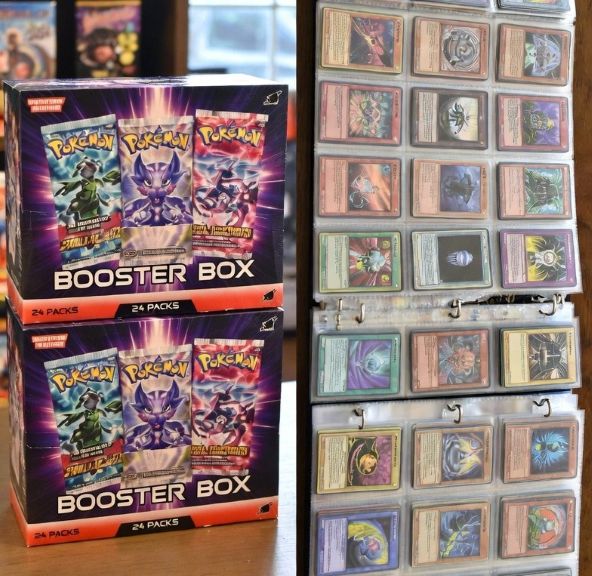
Every unopened booster pack adds to a mountain of cardboard and plastic. What if smarter deck planning could shrink that footprint? According to the U.S. Environmental Protection Agency’s “Paper and Paperboard: Material-Specific Data,” Americans generated about 67.4 million tons of paper and paperboard, which includes cardboard, as part of municipal solid waste in 2018. That’s a lot of potential waste hiding behind shiny Pokémon wrappers.
I found this out the messy way. A few years ago, I went on a “must-have” spree chasing a few rare cards from a new Pokémon TCG expansion. Boxes, tins, promo packs, a couple of booster cases. I went full collector-mode. The result? A pile of duplicates high enough to scare anyone’s cat. That’s when I started turning to gaming strategy resources. These sites break down deck lists, pull rates, and meta trends, letting you see exactly what you need before spending a fortune or drowning in packaging. Suddenly, collecting felt smarter and, surprisingly, a little cleaner for the planet.
How Strategy Tools Prevent Overbuying
Let’s be honest. Buying random booster packs is thrilling. That little rip of foil, the smell of fresh cardboard. It’s addictive. But for competitive players, most of the cards in those packs never make it into a deck. Digital deck builders, online databases, and strategy guides change that. They let players plan, test, and optimize decks virtually. You see what cards are essential, which ones are optional, and which ones are purely decorative.
By knowing exactly what you need, you avoid purchasing packs you don’t. No more “oh maybe the next pack will have it” syndrome. The magic of these tools is that they turn collecting from a chaotic gamble into a deliberate, targeted process. Less bulk buying means less foil, cardboard, and plastic sent to landfills. Every decision informed by strategy tools directly reduces waste.
The Environmental Cost of Booster Packs
Booster packs might look harmless individually, but the numbers add up. Each pack includes laminated foil, cardboard inserts, and often a plastic wrapper. Multiply that by thousands of players worldwide, and the waste is staggering. That’s why discussions like the environmental case for digital goods matter, because they show how reducing physical packaging and shipping can help cut waste.
The U.S. Environmental Protection Agency warns that unnecessary packaging contributes significantly to deforestation and landfill overuse. Even if a single pack seems minor, over time it adds up to a noticeable footprint.
Consider this: one sealed booster box contains about 36 packs. Buy a few just to chase a rare card, and suddenly you have a stack of wrappers that are difficult to recycle. Many collectors admit to having leftover bulk rares and commons they never use, further highlighting the hidden environmental cost of “just-in-case” buying.
The Case for Buying Singles
Here’s a little secret some players don’t want you to know. Buying singles is usually smarter than cracking dozens of packs. You get exactly what you need for your deck without generating extra packaging waste. Secondary markets allow cards to circulate between players, keeping supply in play instead of triggering fresh production for every new collector.
Combined with strategy tools, buying singles is like hitting the sweet spot of efficiency. Digital planning tells you which cards are essential, and then you acquire only those. Fewer packs, less foil, less cardboard. Your wallet stays happy, your binder is more curated, and the planet breathes a tiny sigh of relief.
Sustainable Collecting Habits
Being eco-conscious as a Pokémon collector doesn’t mean giving up on fun. A few tweaks make a big difference:
- Plan decks digitally before purchasing physical cards.
- Limit the number of booster packs bought per set release.
- Trade or buy singles whenever possible to minimize extra packaging.
- Recycle cardboard and foil whenever feasible.
- Support retailers that minimize plastic in their shipping materials.
Collectors today are lucky. Between forums, tournament coverage, price trackers, and gaming strategy resources, it’s easier than ever to make intentional, eco-friendly buying decisions. You don’t have to sacrifice the thrill of opening packs, but you can do it thoughtfully.
Some players will always chase the excitement of cracking new packs. That’s fine. I still buy a few with every new expansion. But now I do it with a plan. I know exactly which cards I’m targeting, which ones can wait, and which ones are purely decorative. My recycling bin is lighter, my wallet is happier, and for once, I feel like my collecting hobby isn’t a tiny assault on the planet. Smart collecting, backed by strategy, makes all the difference.